


What happened in the market
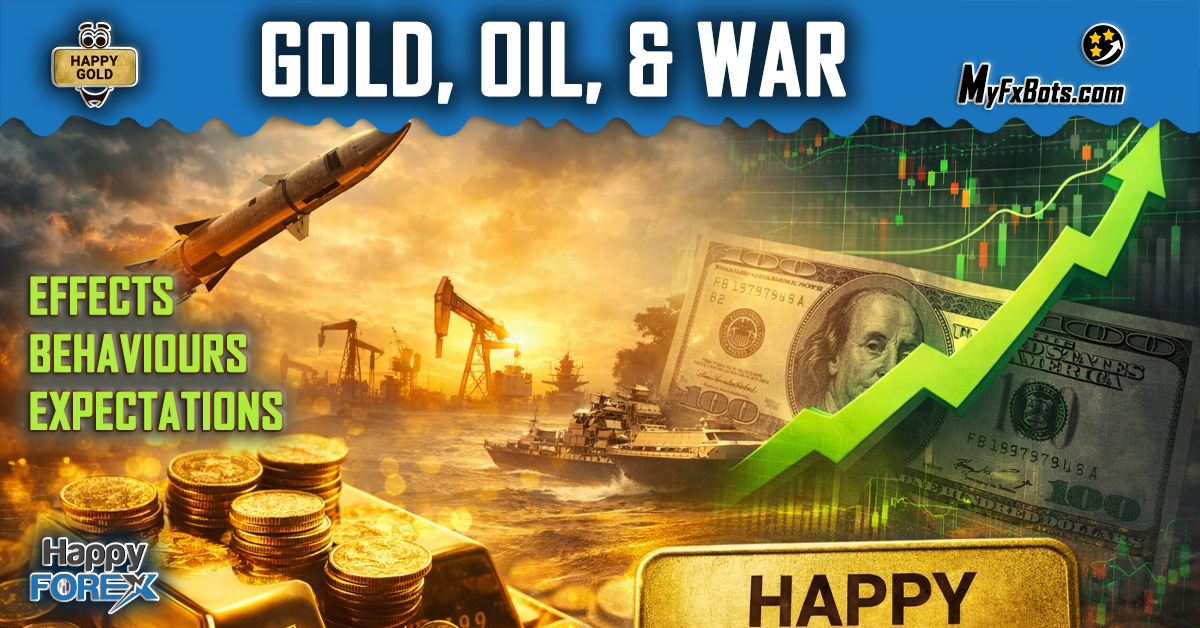
Last week a headline — the Strait of Hormuz closure — looked like a classic fear trade. Oil ripped higher. Many traders expected gold to rally as a safe haven. Instead, gold fell about 2.6% to roughly $4,017, the lowest since 1 July. The market read the story differently: it saw inflation risk, not pure geopolitical shelter.
Chain reaction that matters
- Hormuz closes → oil up: Supply risk pushes crude prices higher.
- Oil up → inflation up: Higher energy costs feed headline inflation.
- Inflation up → Fed hawkishness: Rate-hike odds rise; the funds rate sits at 3.50–3.75%.
- Fed hawkish → dollar up: Higher real rates attract capital to the dollar.
- Dollar up → gold down: Gold, priced in dollars, becomes less attractive for holders of other currencies.
Why safe havens failed this time
Safe-haven assets — gold, the yen, Treasuries — are not broken. Their relationships to risk depend on the dominant macro narrative. When inflation dominates the Fed’s mandate, geopolitical shocks become inflation stories. That flips the usual “buy gold on fear” script into a rates-and-dollar story.
What traders should watch
- Rate expectations: Watch Fed communications and rate-hike odds.
- Oil and CPI data: Energy-driven inflation can change correlations fast.
- Dollar strength: A rising dollar often pressures dollar-priced commodities.
- Momentum and volume: Confirming signals reduce false starts.
How algorithmic systems help
Systems that combine momentum, volume, structure and trend avoid reflexive panic. That’s the design principle behind Happy Gold — it waits until multiple conditions align before acting. For traders using automated tools from providers like Happy Forex and brokers referenced as IC Markets, disciplined rules and backtested risk controls matter more than headlines.
Practical trading approaches
- Use Trend Trading filters to avoid counter-trend entries.
- Combine Breakout Trading confirmation with volume spikes.
- For shorter horizons, apply Scalping or Day Trading rules with tight risk limits.
- Consider systems that pause during major macro shifts rather than forcing positions.
Final takeaway
Correlations flip when the macro driver changes. A geopolitical shock can become an inflation story, and inflation stories favor rates and the dollar over traditional safe havens. That’s why robust Expert Advisors and algorithmic approaches that require momentum, volume and structure to agree can protect capital and reduce emotional trading. This is not financial advice; consult a qualified professional before trading.